

The New York Times Spelling Bee for January 10, 2026, presents a puzzle that may appear approachable at first but rewards those with a bit of perseverance. As is customary, all words need to be at least four letters long and incorporate the designated center letter. Today’s selection features a predominance of consonants, balanced by just enough vowels to allow for some flexibility, making it easy to kick off but challenging to wrap up with a strong finish.
Overview of Today’s Puzzle
With R positioned at the center, today’s collection encourages the formation of looping and rolling words. The combination of consonants such as M, N, and G works well with the vowels, creating opportunities for repeated-letter constructions. Overall, the puzzle feels quite open, particularly for those adept at identifying “-ing” endings and compound-style word formations.
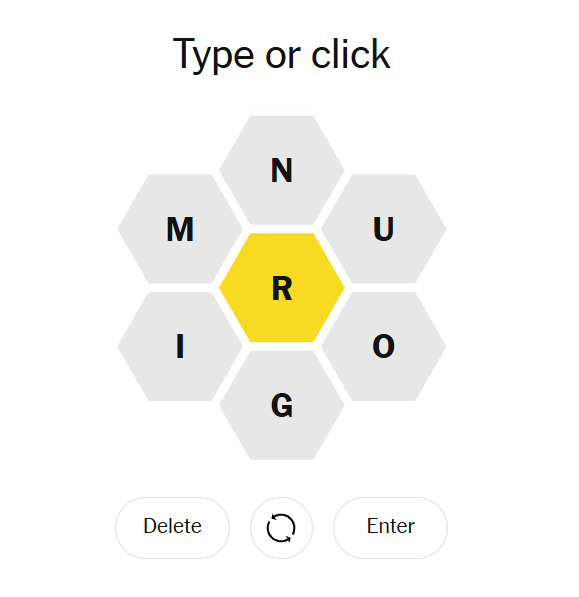
Words and Answers for the NYT Spelling Bee: January 10, 2026
Here’s a compilation of words that meet today’s criteria. Please note that some might be rare or uncommon, so the official NYT list could differ.
- RIGGING
- RIGOR
- RIMMING
- RING
- RINGING
- ROOM
- ROOMING
- ROUGING
- RUIN
- RUING
- RUINING
- RUMOR
- RUMORING
- RUNG
- RUNNING
- UNMOOR
- UNMOORING
- UNRIG
- UNRIGGING
- URGING
Pangram of the Day
MOURNING stands out as it effectively combines every letter in the puzzle while remaining a natural, everyday term. It seamlessly incorporates both vowels and consonants, includes the necessary center letter, and avoids clumsy repetitions. This harmony makes it particularly gratifying to discover during your solving experience.
Quick Strategies for Any Puzzle
- Start with the center letter
- Experiment with prefixes and suffixes
- Anagram your findings
- Utilize repeated letters
- Begin with simple four-letter words
Concluding Thoughts
The Spelling Bee on January 10 is a prime example of how repetition can aid your solving efforts. If you embraced the looping sounds, the board opened up nicely. How many words were you able to find—did you spot the pangram early or did it take you some time?


