

NYT Connections is the daily word game where players categorize 16 seemingly unrelated words into four logical groups of four. The puzzle for January 11, 2026, featured a creative mix of abstract concepts, cultural references, and clever wordplay. Some categories were immediately recognizable, while others needed a second glance. Below, you’ll discover spoiler-free hints followed by the complete answers.
Overview of NYT Connections Puzzle: January 11, 2026
Today’s grid emphasized concepts and associations over strict definitions. A few categories appeared deceptively straightforward, while one involved a playful twist on language. Overall, it was an enjoyable combination that challenged players with broad knowledge and careful reading, especially for those who take the time to double-check patterns before finalizing their answers.
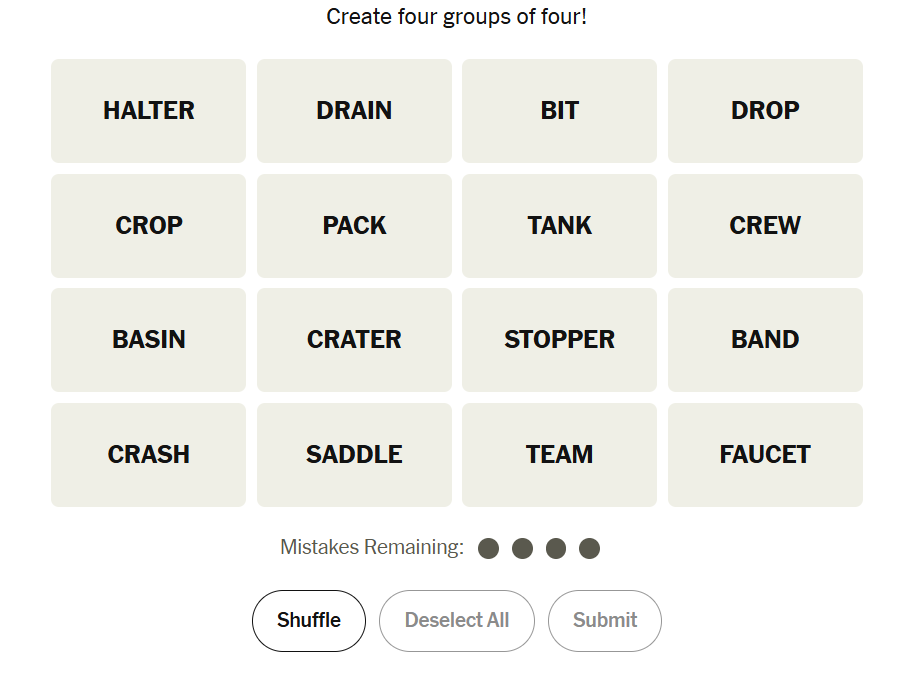
Hints for NYT Connections: January 11, 2026
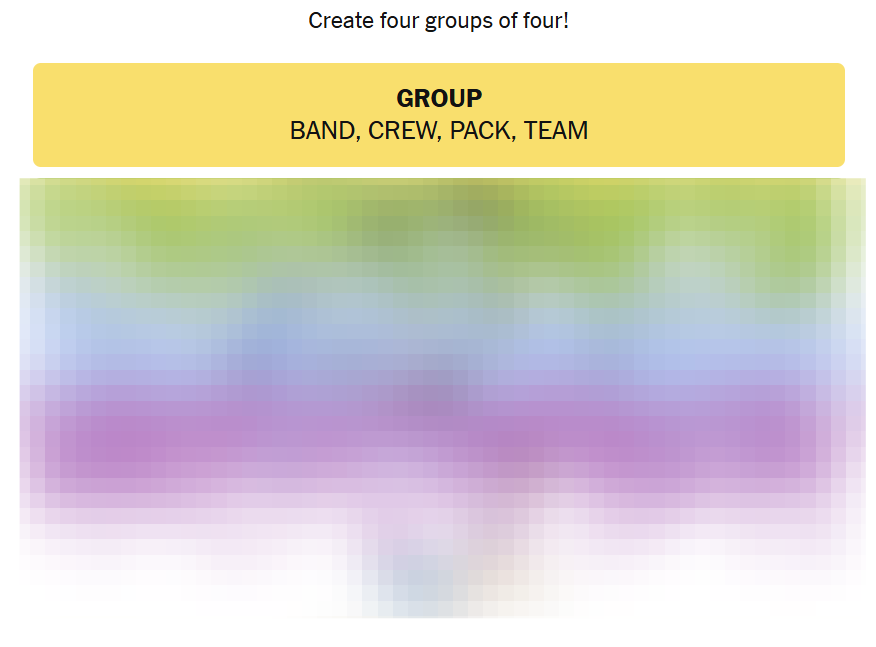
Category 1:
- Words that pertain to collaboration
- Often interchangeable in everyday conversation
- Can describe both formal and informal groups
- Think of concepts like teamwork or unity
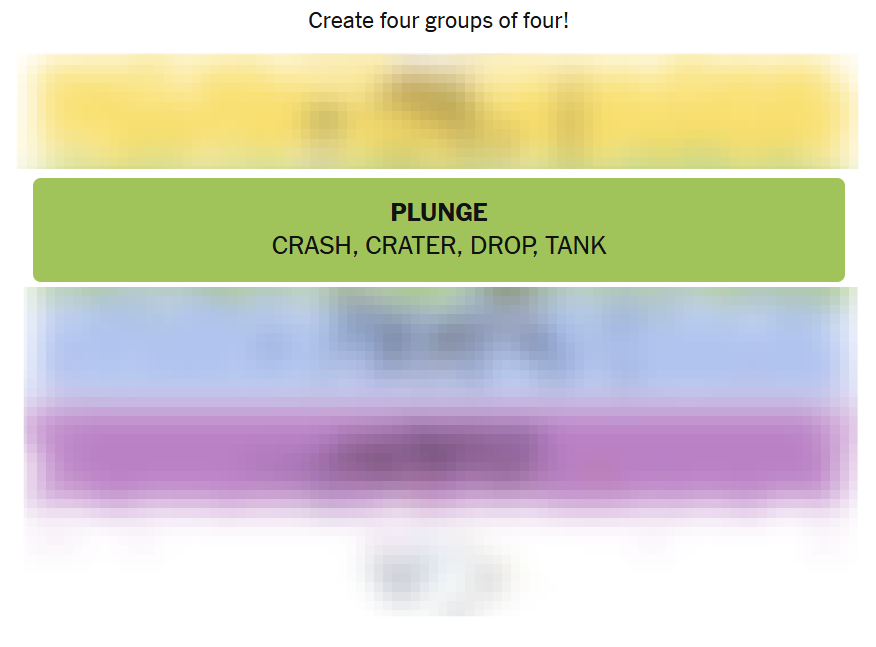
Category 2:
- Verbs associated with abrupt downward motion
- Commonly found in dramatic or negative contexts
- Can refer to both physical and abstract decline
- Implies a sense of loss of control or impact
Category 3:
- Objects typically found in bathroom fixtures
- All functional components
- Usually linked to water usage
- Standard household hardware
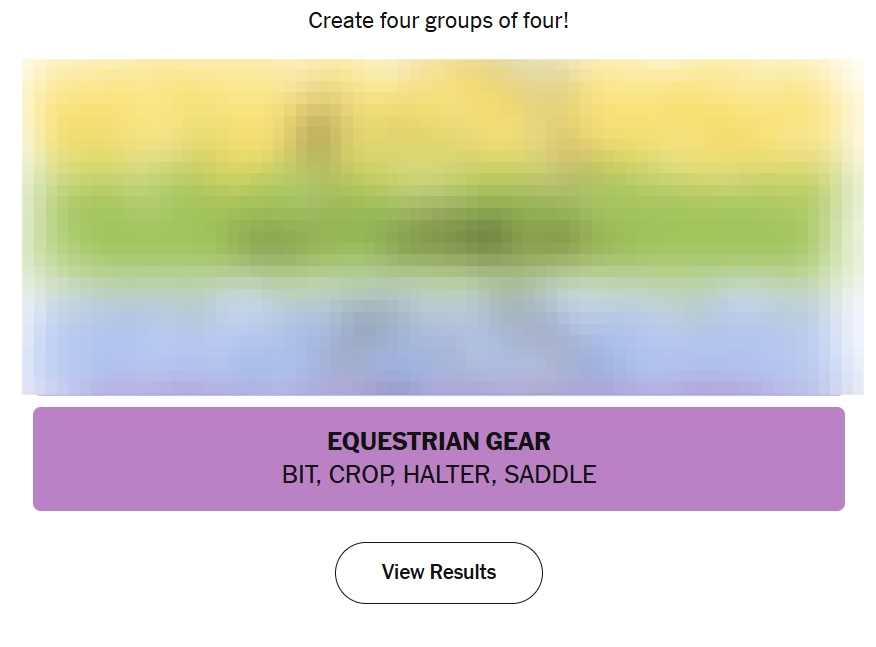
Category 4:
- Equipment related to riding animals
- Commonly seen in stables or during training
- Includes both worn and handheld items
- Think of essentials for horseback riding
Answers for NYT Connections: January 11, 2026
Here are today’s answers, organized by category:
Category 1:
Category 2:
Category 3:

Category 4:
Conclusion & Quick Strategy Tip
Today’s puzzle presented a delightful blend of trivia and linguistic tricks—more accessible for those who noticed the evident categories, yet challenging for those fixated solely on letters. A quick strategy tip: when a cluster appears to be trivia, look for proper names first; when the letters seem unusual, test pronunciations and consider minor edits.


