
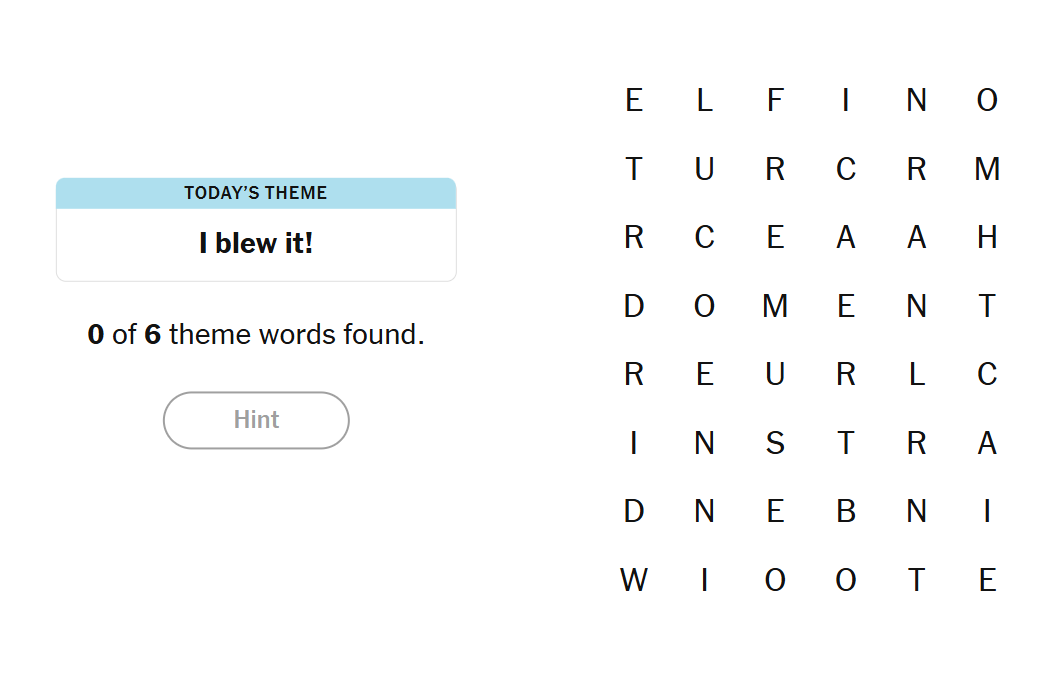
If you’re captivated by the daily NYT Strands puzzle, you’re not alone. It’s a new word game from the New York Times that merges aspects of a word search with clever, theme-based twists.
26 March 2026 NYT Strands Theme: “”
Today’s theme plays on a clever double meaning, hinting both at making a mistake and at blowing air. The puzzle leans into musical territory, specifically instruments that require breath. It’s a fun and fairly approachable theme, though a couple of longer words may require extra scanning to find.
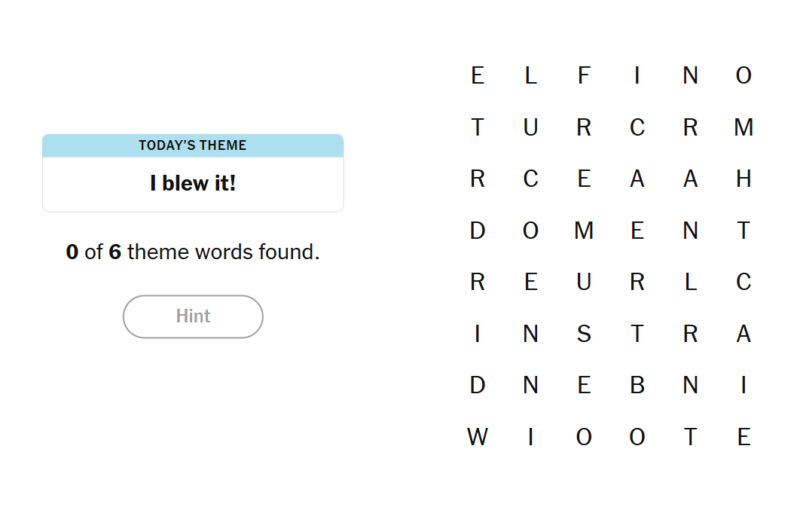
26 March 2026 NYT Strands Hints
- Consider objects that produce sound using air or breath.
- These are commonly used in music lessons and orchestras.
- Some words are shorter and easier to spot early on.
- Look for both classical and more casual instruments.
- The grid includes a mix of familiar beginner instruments and more formal ones.
- Spangram ties all the words together as a category of instruments.
26 March 2026 NYT Strands Answers
- oboe
- flute
- clarinet
- recorder
- harmonica
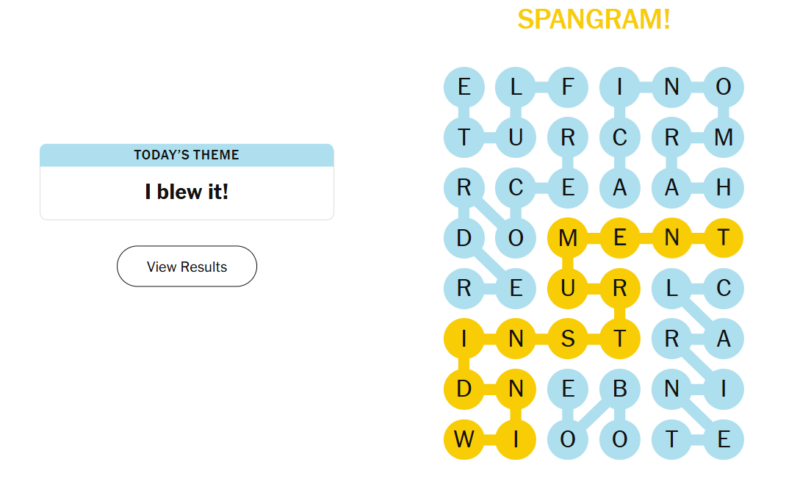
Spangram
WIND INSTRUMENT
This spangram succinctly ties all the answers together, referring to instruments that produce sound when air is blown through them. It encapsulates the theme’s clever wordplay perfectly.
How Strands Works
Strands is a daily word search puzzle with a twist:
- You’re given a theme.
- The grid is filled with hidden words related to that theme.
- Words can run in any direction, including diagonals.
- Once you find all the theme words, you’re done!
Each puzzle usually includes around 6–8 theme words.
How to Get and Use Hints
Hints are integrated into Strands and are extremely useful if you’re stuck:
- To earn a hint, find any non-theme word of at least four letters in the grid.
- Each valid extra word gives you one hint.
- When you use a hint, one of the theme words will be revealed automatically, helping you move forward.
Pro tip: Don’t waste hints—use them strategically when the grid feels impossible. Sometimes a single revealed word can unlock the entire board.
Tips to Become a NYT Strands Pro
- Start with obvious words. Look for clear connections to the theme first.
- Scan diagonals early. Strands often hides words at an angle.
- Build around found words. Once one word is cleared, the remaining letters often point to the next.
- Use hints wisely. Earn them steadily by spotting extra words, then save them for when you’re truly stuck.
- Think about synonyms. The theme clue isn’t always literal—broaden your thinking.
Final Thoughts
The puzzle from 26 March was a nice mix of easy recognition and light challenge. The theme was playful and intuitive, making it enjoyable without being overly tricky. How many words did you find before checking the answers?


