

The New York Times Spelling Bee for January 9, 2026, presents a delightful combination of common and challenging words. As is customary, each valid entry must be a minimum of four letters and include the center letter. Initially, today’s set of letters may seem recognizable, featuring many familiar patterns, but a closer look reveals a rewarding complexity that encourages attention to repeats, prefixes, and longer word constructions.
About today’s puzzle
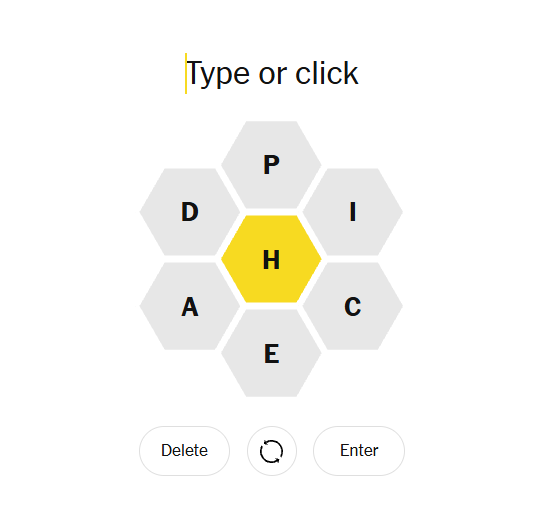
The central letter is H, flanked by A, C, D, E, I, and P. Although the combination leans heavily on consonants, the inclusion of user-friendly vowels makes it accessible. The puzzle feels open at first but gradually gets tighter, encouraging the search for longer words, double letters, and inventive extensions rather than relying on numerous short forms.
NYT Spelling Bee Words and Answers: January 9, 2026
Here’s a best-effort compilation of words that adhere to today’s guidelines. Note that some may be obscure or uncommon, so the official NYT list could differ.
- ACHE
- ACHED
- AHEAD
- APHID
- CACHE
- CACHED
- CHAD
- CHAI
- CHAP
- CHAPPED
- CHEAP
- CHEAPIE
- CHIDED
- CHIP
- CHIPPED
- DACHA
- DEADHEAD
- DEADHEADED
- EACH
- HEAD
- HEADACHE
- HEADED
- HEAP
- HEAPED
- HEED
- HEEDED
- HIDE
- HIPPIE
- PEACH
Pangram of the day
HEADPIECE stands out as today’s pangram. It efficiently incorporates every letter from the hive while maintaining the feel of a natural, everyday word. The repeated letters create links between consonants, and the term builds seamlessly from simpler words like HEAD and PIECE, making it both logical and rewarding to discover.
Quick tactics for any puzzle
- Start with the center letter.
Since every word must contain it, begin by creating short “roots” using that letter, then expand outward. - Experiment with prefixes and suffixes.
Look for common beginnings (like re-, pre-, tri-) and endings (like -er, -ry, -ing). These patterns can reveal multiple words. - Anagram your findings.
After discovering a word, rearranging its letters can often lead you to uncover additional ones. - Utilize repeated letters.
Keep in mind that letters can be used multiple times. Doubling letters can open up opportunities for otherwise overlooked words. - Search for pangrams.
Try to include all seven letters at least once. Finding a pangram may be challenging, but it’s a gratifying win when you do.
Habits to sharpen your skills
- Start with simple 4-letter words to get your creativity flowing.
- Mix vowels and consonants in various combinations to see what resonates.
- Take breaks and revisit the puzzle later — fresh eyes can catch words you might have missed.
- Pen and paper. Writing down letters or sketching patterns can help reveal hidden words.
- Word-finding apps. These are excellent for study or practice, but use them sparingly to keep the challenge alive.
- Personal word journal. Maintain a record of words you frequently miss — over time, this will help you recognize them more quickly.
Final thoughts
The puzzle for January 9 serves as a reminder that even seemingly “simple” sets of letters can conceal significant depth. If you managed to find all 37 words or identified the pangram quickly, congratulations! Feel free to share your score — or let me know how long it took you to spot HEADPIECE.


