In the New York Times Connections puzzle, players are tasked with organizing 16 seemingly random words into four interconnected categories. Each category has a concealed connection. Today’s puzzle mixes physical activities, clever wordplay, and nostalgic hints, resulting in an enjoyable yet somewhat misleading experience. Below, you’ll find subtle clues to stimulate your thinking, along with full solutions at the end for when you’re ready to verify your answers.
Overview of NYT Connections Puzzle: January 21, 2026
This edition of the Connections puzzle emphasizes verb-related thinking and lateral associations. Some groupings may seem obvious, while others require recognizing deeper patterns that extend beyond the initial meanings. The set of anagrams will likely catch your attention early, whereas the final category rewards those who remember classic childhood games.
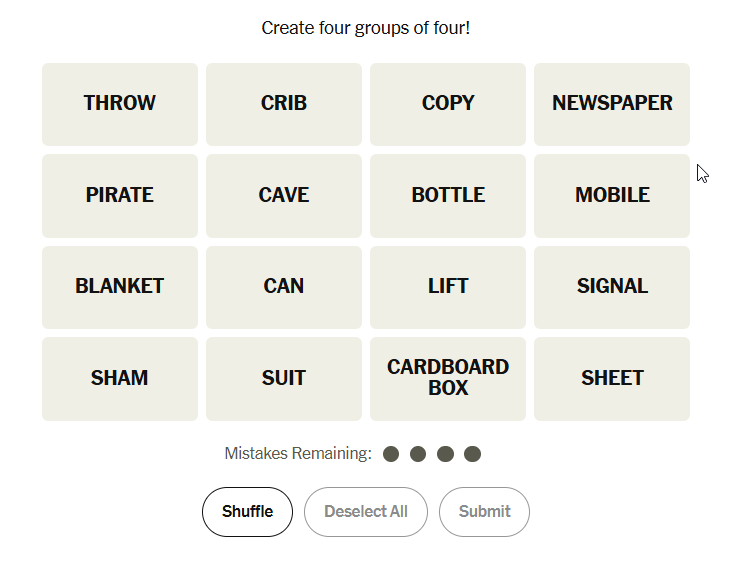
Hints for NYT Connections: January 21, 2026
Category 1:
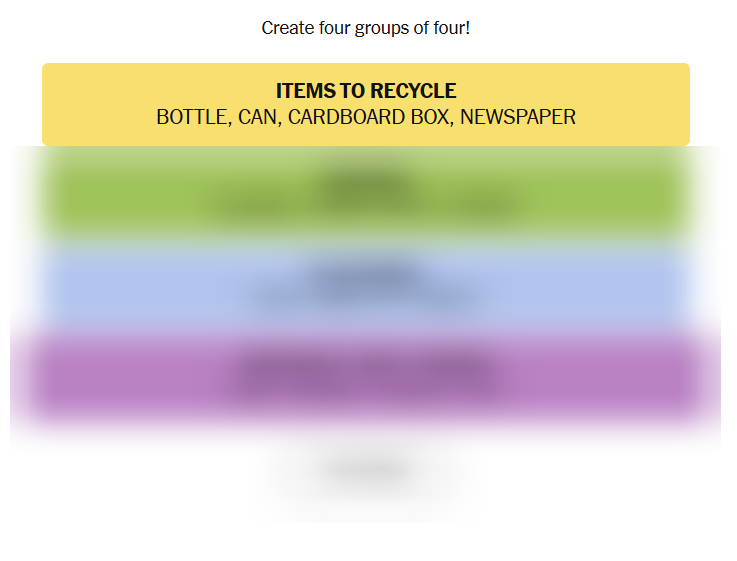
- Consider common items related to daily waste disposal
- Objects typically found in designated recycling bins
- Present in homes, offices, and public areas
- Collected on a routine basis by municipal services
Category 2:
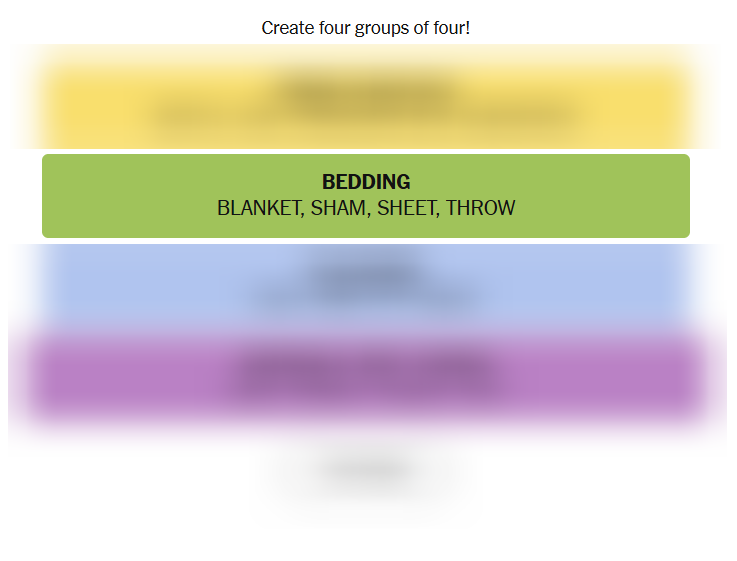
- Commonly located in bedrooms or on couches
- Soft, fabric-based household articles
- Used mainly for comfort or decorative purposes
- Commonly stored in linen closets
Category 3:
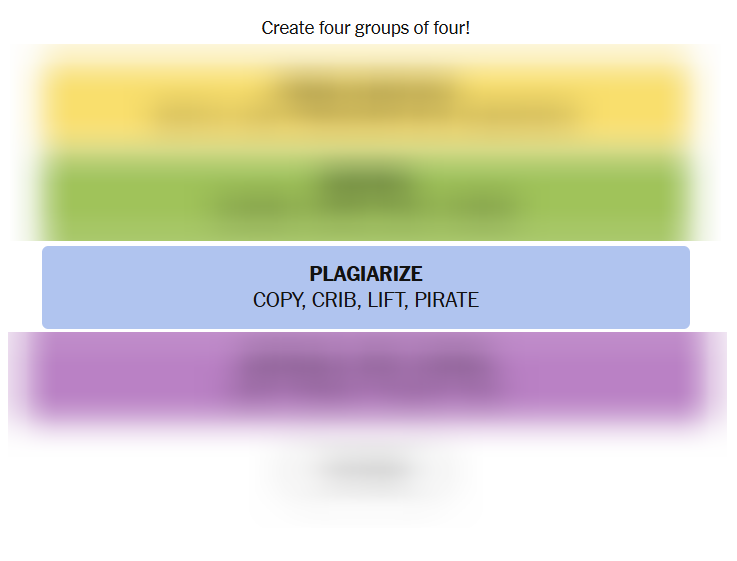
- All terms relate to appropriating someone else’s work
- Characterized by informal or slang usage
- Often suggests dishonesty
- Typically associated with unauthorized copying
Category 4:
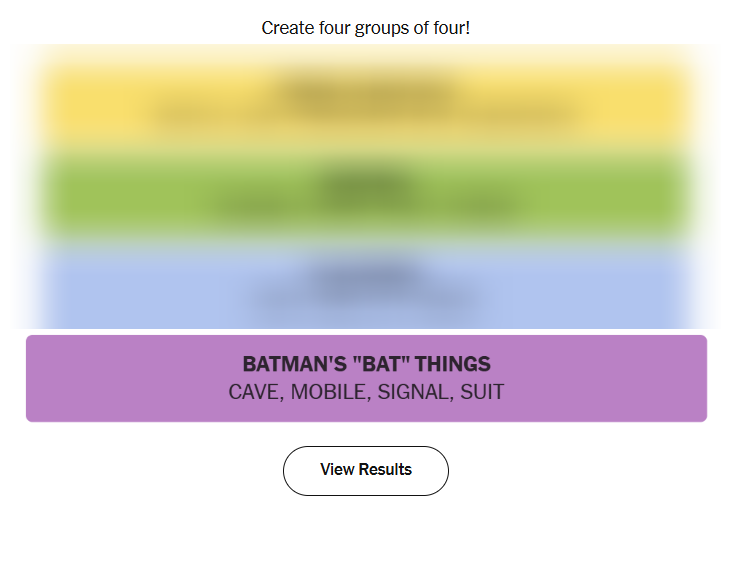
- Related to a well-known superhero from comic books
- Iconic tools and equipment
- Often prefixed by the same descriptor
- Frequently featured in movies and comic series
Answers for NYT Connections: January 21, 2026
Below are the answers, sorted by category.
Category 1:
Category 2:
Category 3:
Category 4:
Conclusion & Quick Strategy Tip
The January 21, 2026, Connections puzzle offers a mix of straightforward action words and more challenging conceptual connections, creating a rewarding experience once everything comes together. Quick strategy tip: secure the obvious verb groupings first, then explore the remaining words for structural patterns or shared cultural references.