
The New York Times Connections puzzle invites participants to categorize 16 seemingly unrelated words into four interconnected groups, each with a concealed connection. Today’s puzzle features a mix of physical actions, clever wordplay, and nostalgic nods, adding an element of playfulness alongside a hint of trickiness. Below, you’ll find some gentle hints to help you navigate through the challenge, followed by complete solutions for when you’re ready to verify your answers.
Overview of NYT Connections Puzzle: 18 January 2026
This edition of the Connections puzzle emphasizes verb-driven thinking and lateral associations. Some categories make intuitive sense, while others require recognizing patterns beneath the surface. The set involving anagrams poses an enticing challenge right from the start, while the last category appeals to those who remember timeless childhood games.
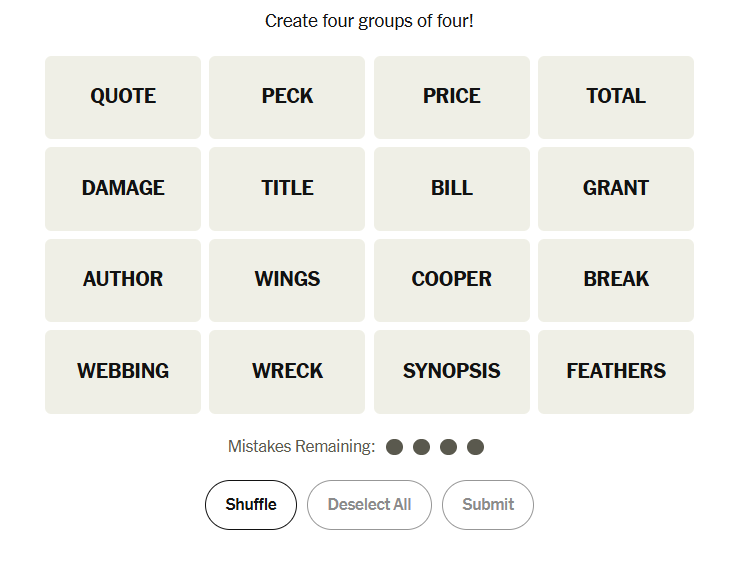
Hints for NYT Connections: 18 January 2026
Category 1:
- Focus on physical characteristics
- All are features of the same living organism
- Usually visible at first glance
- Often discussed in basic biology lessons
Category 2:
- These words function well as verbs
- All suggest inflicting significant harm
- Frequently used in dramatic scenarios
- Imply something more severe than mere damage
Category 3:
- These words function well as verbs
- All suggest inflicting significant harm
- Frequently used in dramatic scenarios
- Imply something more severe than mere damage
Category 4:
- These words function well as verbs
- All suggest inflicting significant harm
- Frequently used in dramatic scenarios
- Imply something more severe than mere damage
Answers for NYT Connections: 18 January 2026
Below are the answers organized by category.
Category 1:
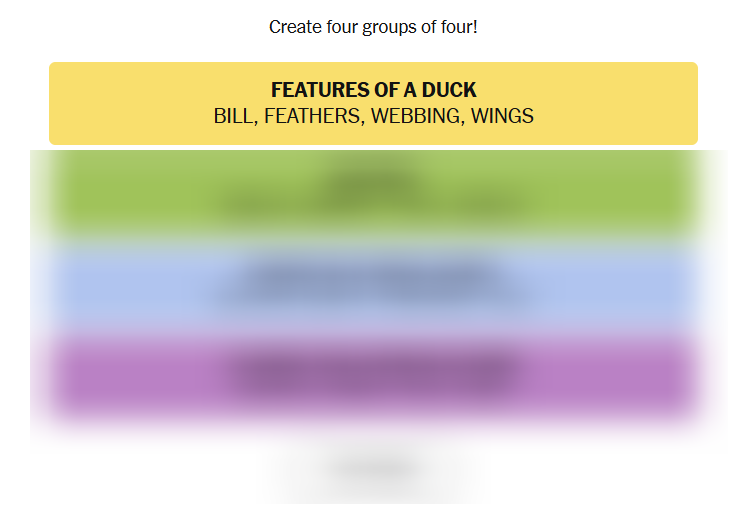
Category 2:
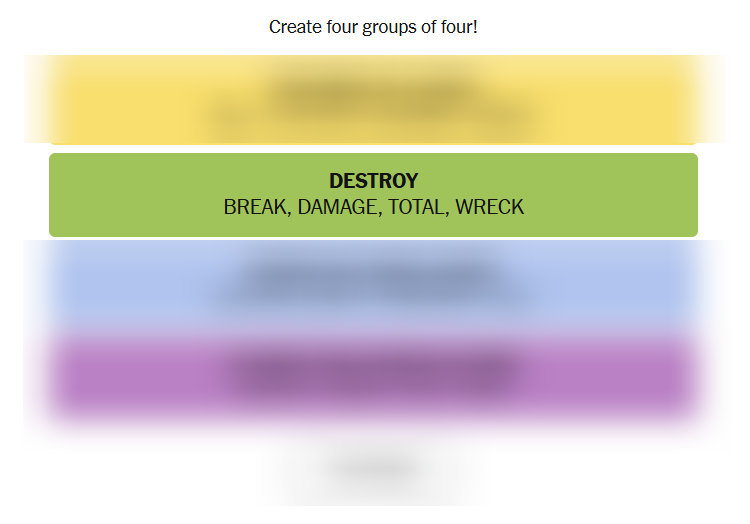
Category 3:
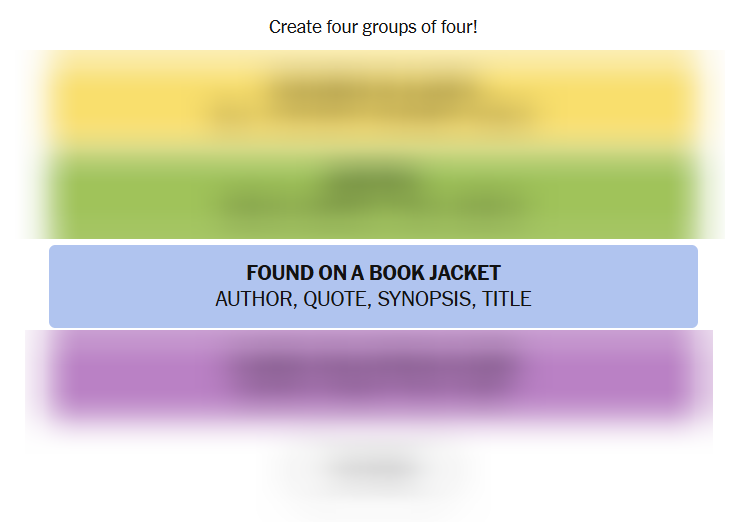
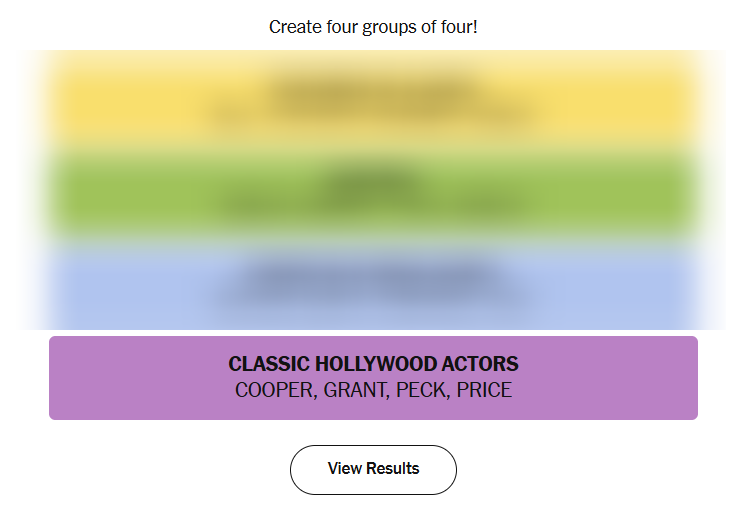
Category 4:
Conclusion & Quick Strategy Tip
The Connections puzzle for 18 January 2026 offers a satisfying blend of straightforward action words and more complex conceptual links. Quick tip: secure the obvious verb groups early and then look for structural patterns or shared cultural references within the remaining words.


