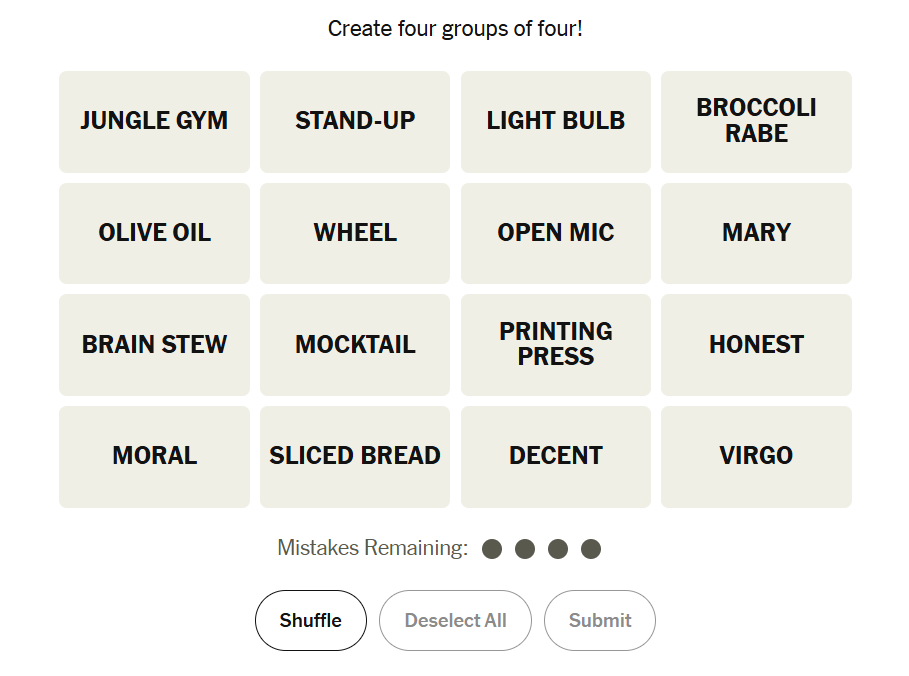
The New York Times Connections puzzle challenges players to sort 16 seemingly unrelated words into four connected groups, with each group sharing a hidden link. Today’s grid features a playful mix of physical actions, clever rearrangements, and nostalgic references, making it both entertaining and slightly misleading. Below you will find gentle hints to assist your thinking, followed by the complete solutions when you’re ready to check your work.
NYT Connections Puzzle Overview: 23 March 2026
Today’s grid presented an enjoyable blend of literal meanings and playful linguistic twists. Some categories were fairly straightforward, while others required recognising patterns in phrasing and subtle word endings. Many solvers likely felt confident with two of the groups, whilst the remaining ones demanded a keener eye for detail.

NYT Connections Hints: 23 March 2026
Category 1:
- Consider words linked by a common descriptive label
- Each can follow the same leading term
- There’s a mix of food, astrology, and drinks
- A shared theme connects them under one idea
Category 2:
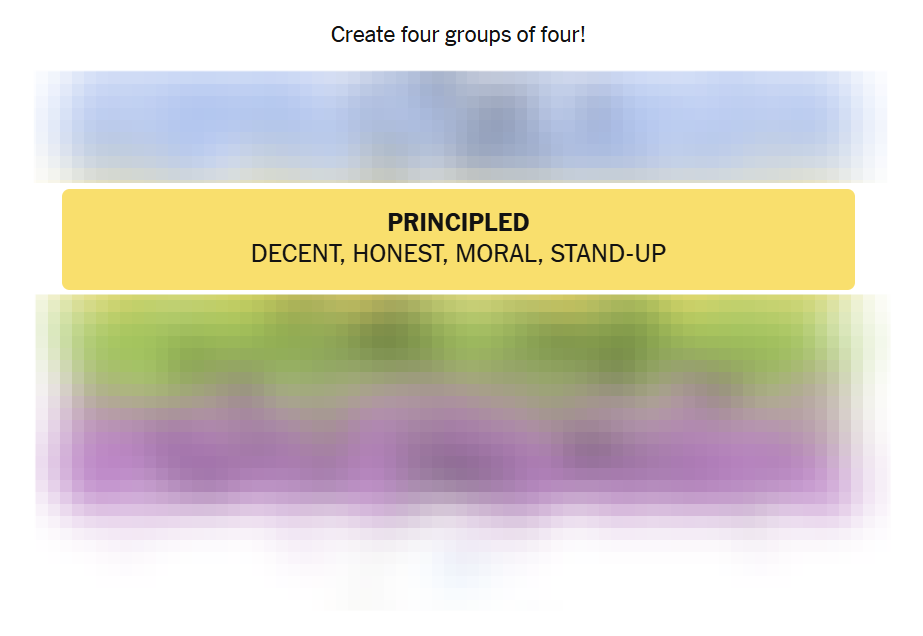
- These words describe personal integrity
- Often used to praise someone’s character
- Synonyms for being ethically sound
- You might use them in compliments
Category 3:
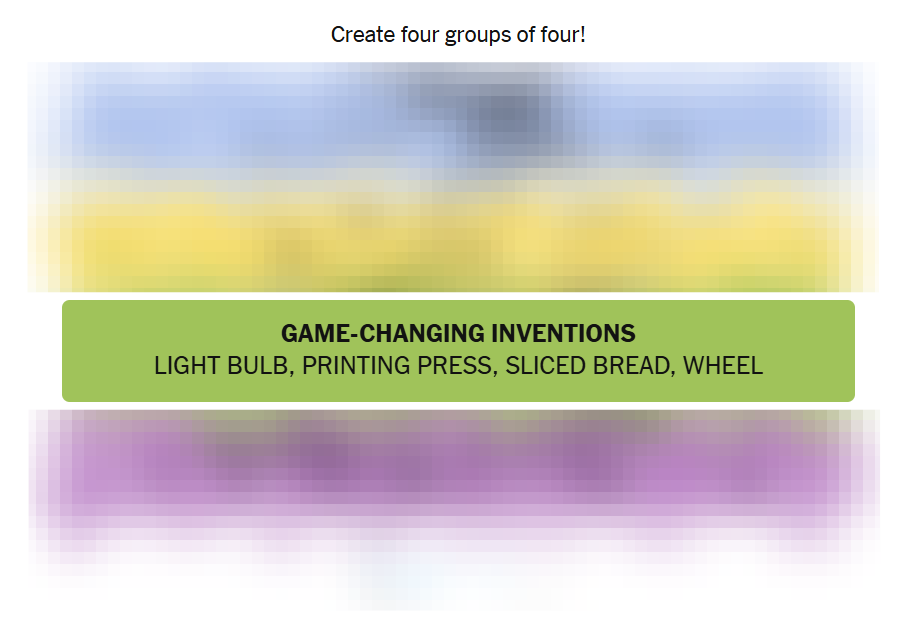
- These significantly changed everyday life
- Think of historical breakthroughs
- All are widely recognised innovations
- They span different eras but share an impact
Category 4:
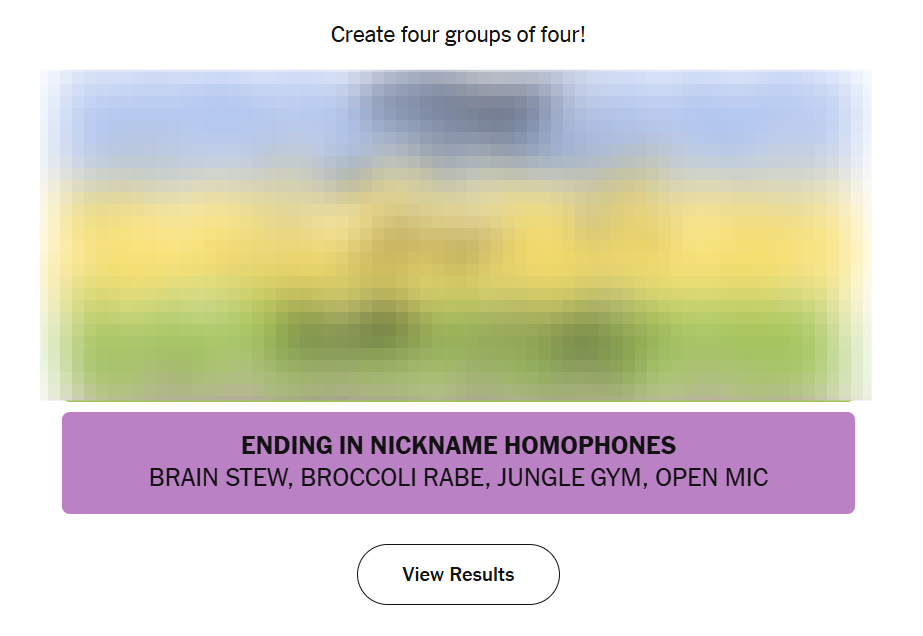
- Focus on the endings of the phrases
- The last words sound like shortened names
- Homophones are key here
- Say them aloud to catch the pattern
NYT Connections Answers: 23 March 2026
Here are the answers, categorised accordingly.
Category 1:
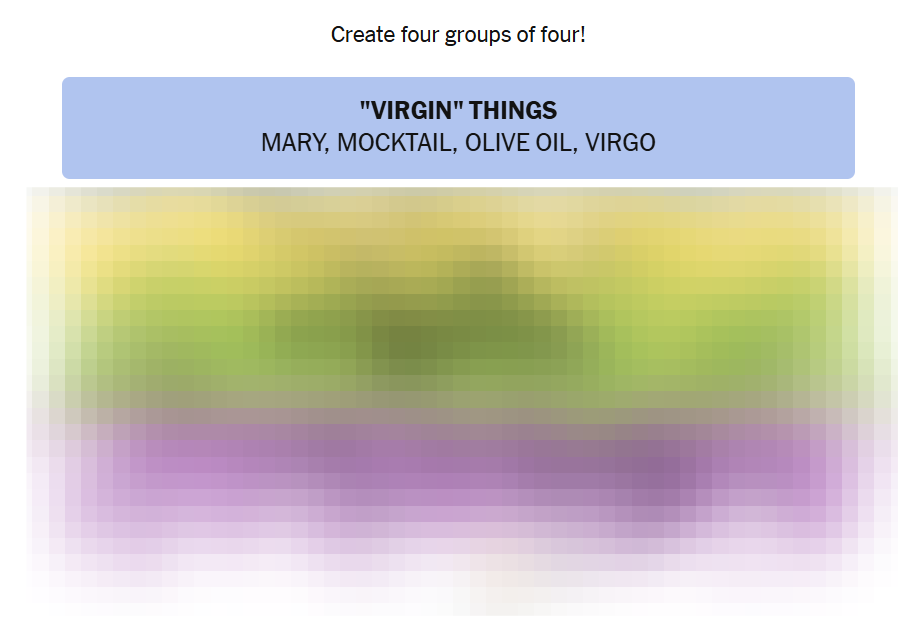
Category 2:
Category 3:
Category 4:
Conclusion & Quick Strategy Tip
The 23 March 2026 Connections puzzle strikes a balance between straightforward action words and more challenging conceptual links, making it all the more satisfying once everything falls into place. Quick strategy tip: secure the obvious verb groups early, then scrutinise the remaining words for structural patterns or shared cultural references.