

The New York Times Connections puzzle invites players to categorize 16 seemingly unrelated words into four interconnected groups, each possessing a hidden theme. Today’s configuration features a mix of physical actions, clever rearrangements, and nostalgic allusions, creating a playful yet subtly misleading challenge. Below, you will find helpful hints to stimulate your thought process, followed by the complete answers when you’re ready to verify your solutions.
Overview of NYT Connections Puzzle: 22 January 2026
This puzzle presents a blend of straightforward categories alongside more challenging linguistic elements. One group emphasizes visual clarity, while another celebrates classic baked goods. The remaining sets focus on verbs and inventive wordplay. Many solvers may easily identify the clear connections before needing to reconsider how certain familiar terms could fit together in a more abstract way.
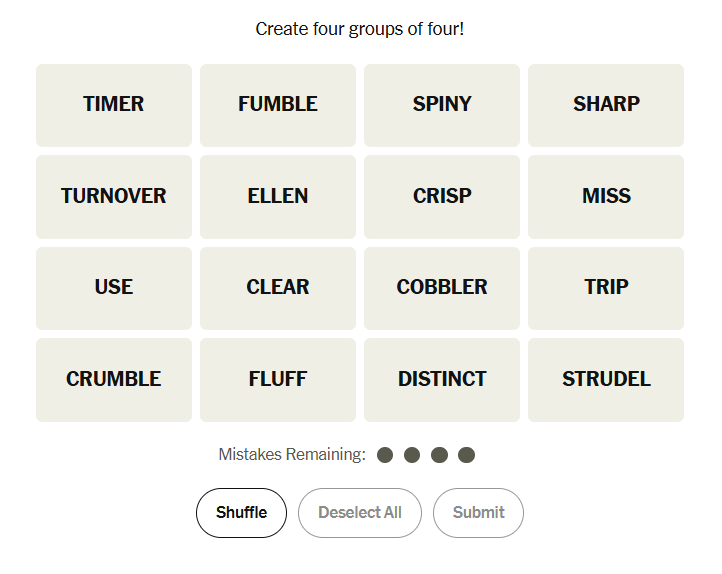
Hints for NYT Connections: 22 January 2026
Category 1:
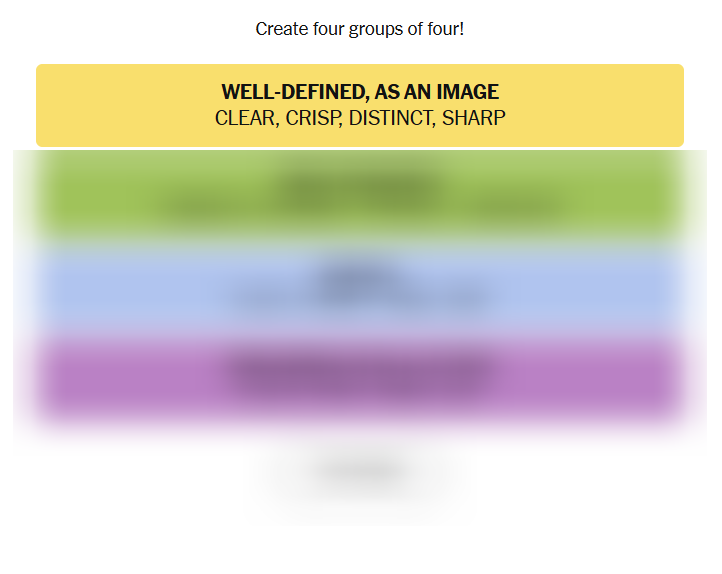
- Terms often used to describe appearances
- Words associated with visual quality or definitions
- Think of photography, art, or focus
- All imply clarity and lack of blur
Category 2:
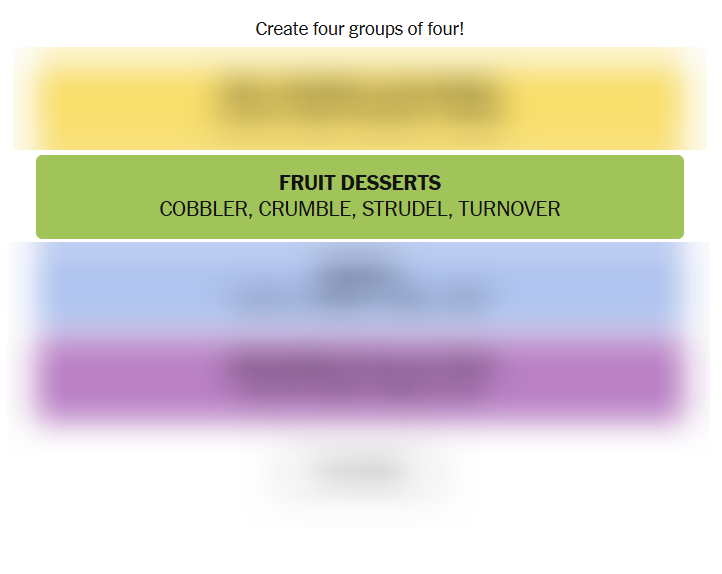
- Sweet baked goods
- Often filled with fruit
- Found in bakeries or home kitchens
- Comforting desserts rather than candies
Category 3:
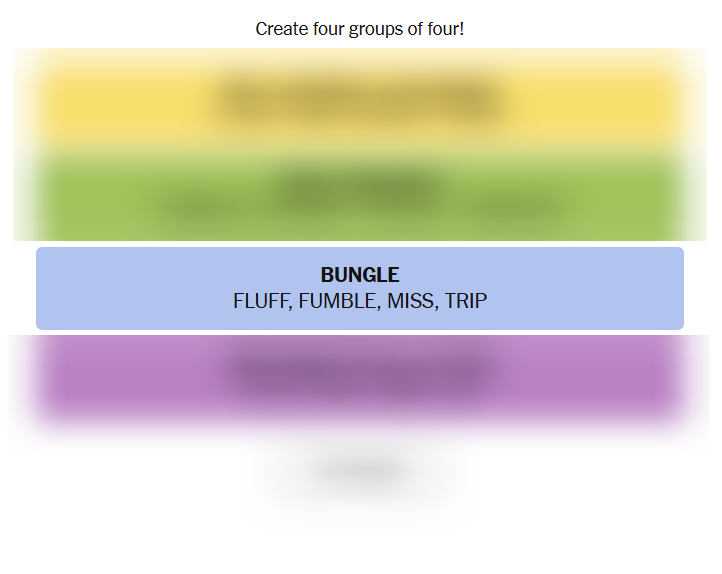
- Verbs that indicate mistakes
- Casual or colloquial tone
- Actions where things go awry
- All suggest failure rather than success
Category 4:
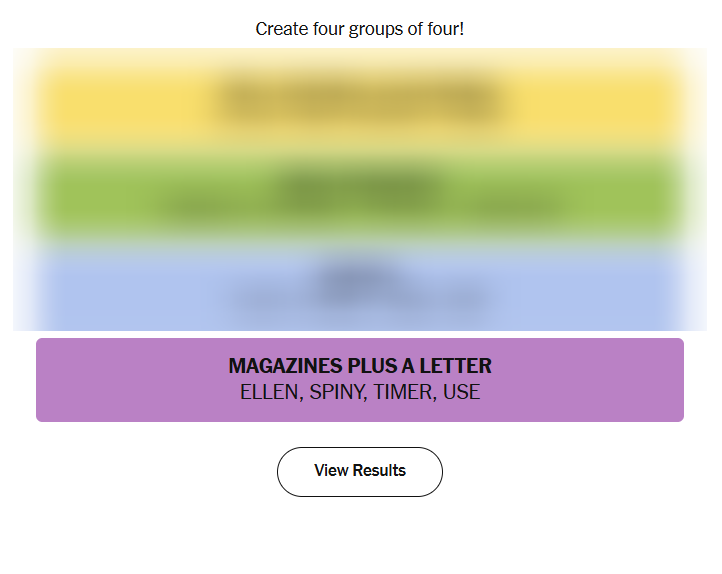
- Derived from familiar publications
- Each has an additional element
- Groupings based on wordplay
- Look for a letter that has been added
NYT Connections Answers: 22 January 2026
Below are the answers, categorized accordingly.
Category 1:
Category 2:
Category 3:
Category 4:
Conclusion & Quick Strategy Tip
The Connections puzzle for January 22, 2026, skillfully combines straightforward action words with more elusive connections, rewarding solvers when all the pieces come together. A quick tip: secure the obvious verb groups first and then analyze the remaining words for structural patterns or shared cultural themes.


