

The New York Times Connections puzzle invites players to organize 16 seemingly random words into four interconnected groups, each with a hidden connection. Today’s grid features a mix of physical actions, clever wordplay, and nostalgic references, contributing to its playful yet slightly misleading nature. Below, you’ll find some helpful hints to assist your thought process, followed by the complete answers when you’re ready to confirm your solutions.
NYT Connections Puzzle Overview: January 20, 2026
This edition of the Connections puzzle emphasizes verb-centric thinking and lateral associations. Some groupings are intuitive, while others require recognizing patterns that go beyond obvious meanings. The set of anagrams may initially distract you, but the final category is a nod to classic childhood games, rewarding those with a fond memory of them.
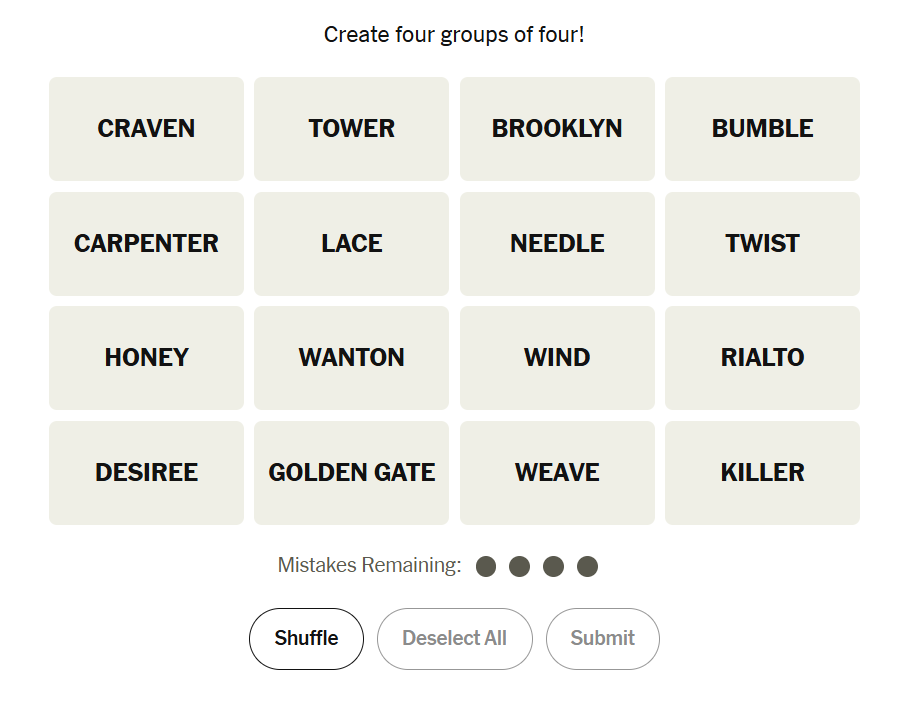
NYT Connections Hints: January 20, 2026
Category 1:
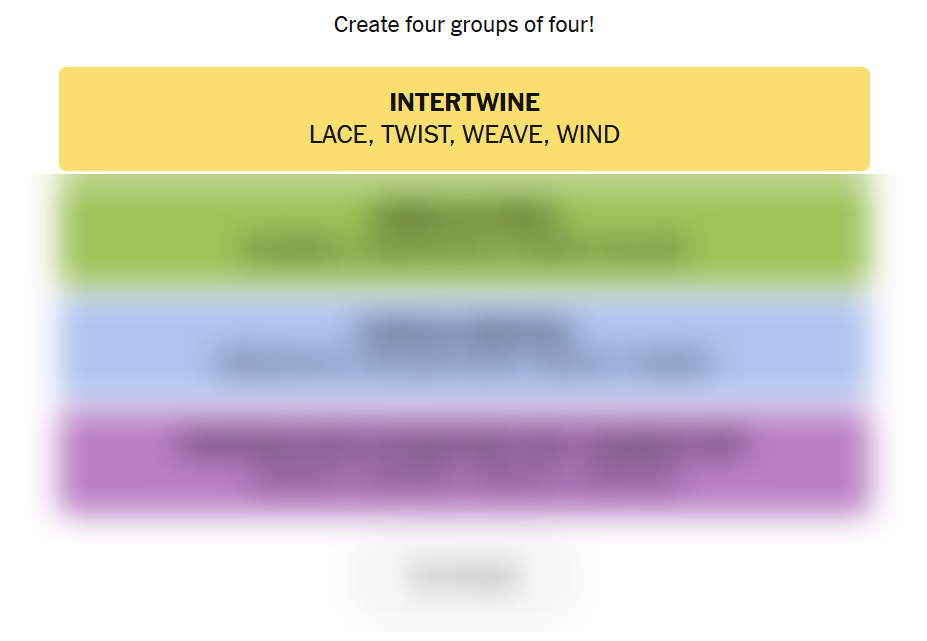
- Consider actions that unite different elements
- Commonly associated with physical or visual intersections
- Often seen in crafts, textiles, or movements
- All the words imply some form of merging or intertwining
Category 2:
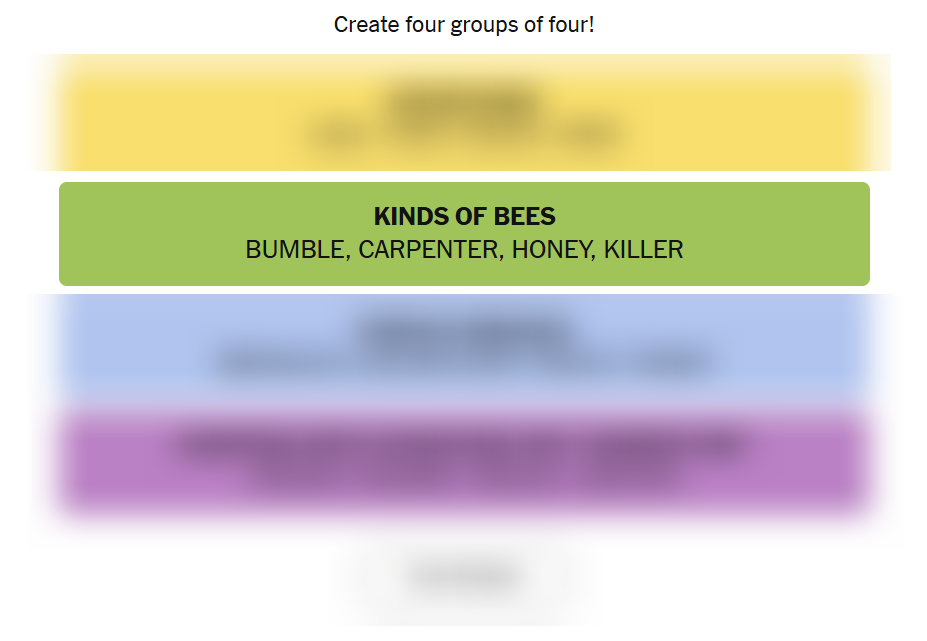
- This category exists within the natural realm
- Each word represents a specific type within a broader category
- Frequently referenced in everyday discussions
- Not all members are harmless
Category 3:
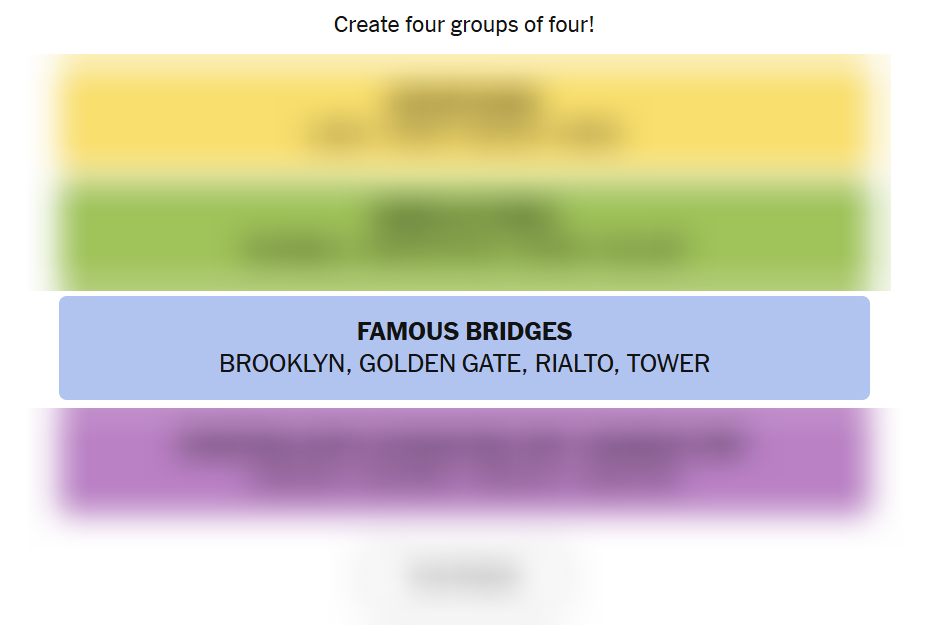
- Each word corresponds to a famous landmark
- These structures are globally recognized
- They connect locations across bodies of water
- Frequently tied to notable cities
Category 4:
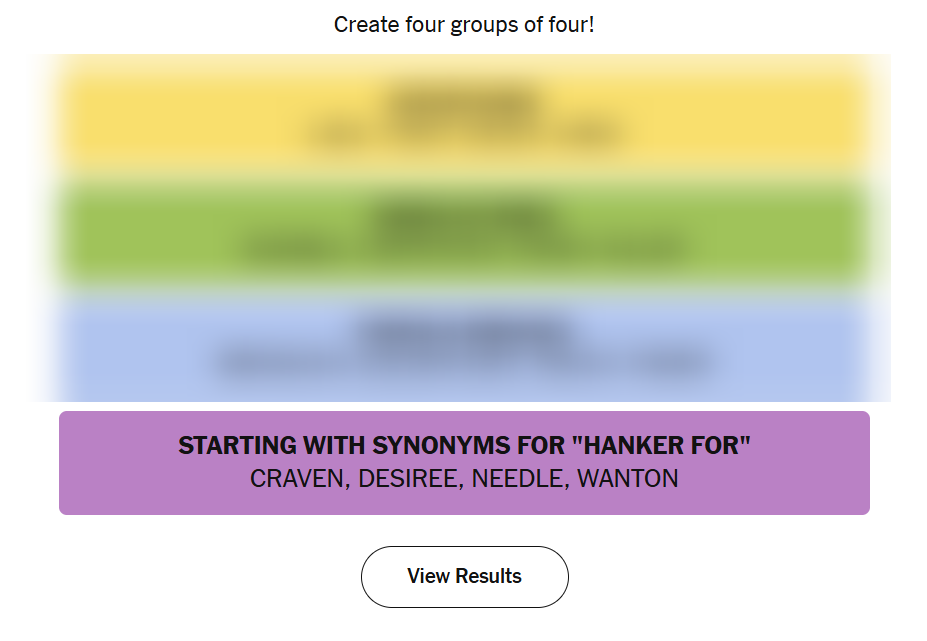
- Begin with thoughts of strong yearning
- Emotional or internal experiences are crucial
- These words can function as action verbs
- All relate to intense desire for something
NYT Connections Answers: January 20, 2026
Below are the answers categorized accordingly.
Category 1:
Category 2:
Category 3:
Category 4:
Conclusion & Quick Strategy Tip
The January 20, 2026, Connections puzzle presents a blend of straightforward action words and more challenging conceptual links, providing satisfaction when everything aligns. Quick tip: secure the obvious verb groups first, then analyze the remaining words for any structural patterns or shared cultural hints.


